
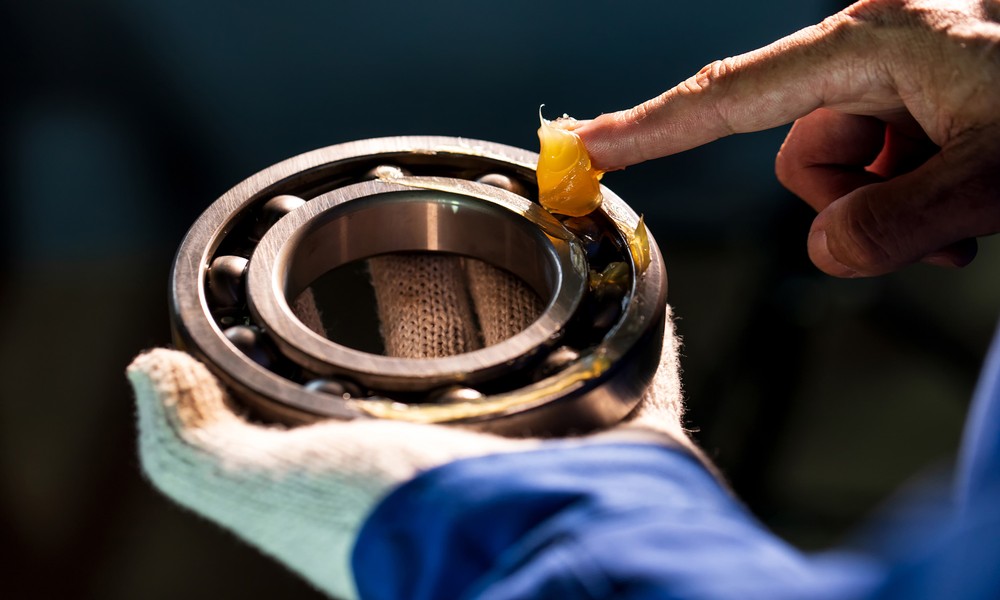
In the realm of industrial automation and precision machinery, the seamless movement of components is paramount to productivity and accuracy. At the heart of these systems, the linear bearing on smooth shaft setup plays a critical role in guiding motion with minimal friction. However, even the most robust mechanical parts are subject to the laws of physics. Over time, factors such as operational stress, environmental contaminants, and improper lubrication inevitably lead to the degradation of performance.
For engineers and maintenance professionals, recognizing the subtle early signs of component failure is not just a matter of technical diligence-it is a strategic necessity to prevent costly downtime and catastrophic equipment failure. This article explores the vital indicators that your linear bearing on smooth shaft requires immediate attention or replacement to maintain the high standards of your production line and ensure the longevity of your mechanical infrastructure.
1. Unusual Acoustic Emissions and Grinding Noises
The most immediate indicator of a failing linear bearing on a smooth shaft is the emergence of unusual acoustic patterns. Under normal conditions, a high-quality bearing should operate with a barely audible hum or a smooth sliding sound.
If you begin to detect sharp metallic grinding, clicking, or rattling, it often suggests that the internal recirculating balls are no longer moving freely. This noise typically signifies insufficient lubrication or the presence of particulate matter that has breached the seals. Addressing these sounds early is the “trick” to preventing the bearing from seizing entirely during a high-speed cycle.
2. Increased Vibrational Feedback and System Instability
When a linear bearing on a smooth shaft begins to lose its structural integrity, it often manifests as erratic vibrations. You can observe this by touching the machine housing or using a vibration sensor; any deviation from the calibrated baseline suggests internal wear.
This instability usually stems from flat spots on the bearing balls or uneven wear on the inner races. If left unchecked, these vibrations will propagate through the entire machine frame, potentially damaging sensitive electronic sensors and reducing the overall mechanical precision of your automated assembly or CNC operation.
3. Visible Scoring or Wear Tracks on the Shaft Surface
A visual inspection can reveal the “trick” history of your machine’s health. If you notice localized scoring, deep scratches, or polished “tracks” along the travel path, your linear bearing on smooth shaft is likely failing.
This physical damage occurs when the bearing no longer provides a uniform load distribution, causing the hardened steel balls to dig into the shaft surface. This creates a destructive feedback loop: the damaged shaft further accelerates bearing wear, leading to a complete loss of the smooth gliding motion required for high-accuracy industrial applications.
4. Accumulation of Metallic Debris and Contamination
One of the most telling signs of terminal wear is the accumulation of fine metallic dust or “swarf” near the bearing ends. This debris is a clear signal that the internal components of the linear bearing on smooth shaft are physically disintegrating.
When the protective seals fail, external contaminants enter the bearing, acting as an abrasive paste that grinds down the internal raceways. If you spot dark, discolored grease or shiny metal flakes, it is a “trick” warning that the internal load-bearing surfaces have been compromised and a replacement is urgently required.
5. Increased Resistance and Jerky Movement (Slip-Stick Effect)
A healthy linear bearing on a smooth shaft should exhibit a constant, low coefficient of friction. If the motion becomes jerky, inconsistent, or requires more force to initiate, you are experiencing the “slip-stick” phenomenon.
This resistance often indicates that the bearing’s internal geometry has been deformed due to overheating or excessive loading. Observing a higher power draw from the drive motors is a measurable way to confirm this issue. Restoring smooth motion is essential to ensure that the linear actuators and drive systems do not burn out prematurely.
6. Significant Play and Reduced Positional Accuracy
The final stage of wear is the emergence of physical “play” or slack within the system. If you can manually wiggle the bearing block, the linear bearing on the smooth shaft has lost its tight tolerance. This slack leads to a significant drop in positional accuracy, making it impossible to achieve the fine margins required in modern manufacturing.
This “trick” loss of precision can result in defective products and wasted materials. Regular measurement of the clearance between the bearing and the shaft is the best way to determine if the system still meets industrial performance standards.
Maintaining the peak performance of your machinery requires a proactive approach to component health. By monitoring these six critical signs, you can effectively manage the lifecycle of your linear bearing on smooth shaft systems. However, the quality of the replacement parts is just as vital as the maintenance schedule itself.
I.N.B Enterprise stands as a premier leader in providing high-precision motion components tailored for the demanding Thai industrial sector. Our commitment to quality ensures that every linear bearing on the smooth shaft we supply offers superior durability, reduced friction, and long-term reliability. For those seeking the highest quality components, explore our full range of solutions at linear bearing on the smooth shaft (ลูกปืนสไลด์บนเพลาเกลี้ยง) and ensure your operations remain seamless and efficient in a competitive market.