
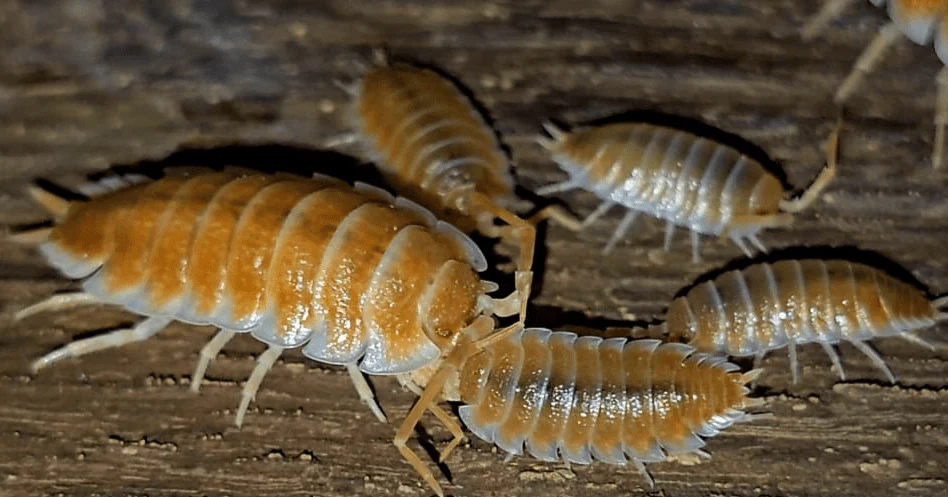
Tropical species reveal striking details once their surroundings remain consistently balanced. Each enclosure element shapes how visual cues settle across their delicate segments. Caretakers often notice richer contrasts forming as warm gradients shift gently across enclosed surfaces, giving Visit postpods a chance to develop surprisingly steady display tones. These early changes encourage further refinement as the creatures explore every textured corner.
What Helps These Species Display Vivid Tones?
Regular illumination creates gentle transitions that guide how pigments settle. Slight warmth encourages smoother pattern formation across their shells. Natural shading then shapes subtle contrasts once the species adapt to each surface. Gradual airflow supports stable displays without interrupting tonal clarity.
Enclosure Conditions That Encourage Stable Patterns
Maintaining a balanced space allows these creatures to explore without stress. Light moisture settles into deeper layers, creating reliable cues for coloration shifts. As surroundings transform slowly, their patterns respond with clearer variations.
Layered Ground Materials
- Fine grain substrate holds gentle surface moisture
- Textured bark helps stabilize wandering groups
- Mineral chips enhance reflective tonal edges
Structured Overhead Coverage
- Broad leaves cast soft transitional shadows
- Curved panels guide airflow around corners
- Elevated hideouts support low-light adjustment
These elements help each species settle comfortably while refining the tones that appear during repeated habitat movements. Enclosure diversity ensures gentle transitions that strengthen naturally.
Why Do These Isopods React To Subtle Habitat Shifts?
Gradual changes influence how they move between covered areas and open zones. Slight alterations in warmth guide cluster formation around sheltered ridges. Their patterns respond quickly because each environmental cue shapes pigment distribution.
Habitat Structuring That Enhances Clear Markings
Well-arranged spaces invite these creatures to explore specific zones with steady confidence. Subtle ridges direct their paths toward cooler pockets, helping emphasize their patterned shells. Shaded pockets across the habitat start influencing how Dairy cow woodlice settle near cooler edges during their color-stabilizing phases. These shifts encourage vivid tones that appear once movements remain steady.
Textured Pathway Layouts
- Soft ridges promote smoother directional travel
- Uneven steps introduce controlled depth changes
- Narrow trails help shape cluster formation
Moisture-Balanced Hiding Zones
- Shallow crevices support cooler settling areas
- Mossed surfaces preserve moderate humidity pockets
- Curved hollows enhance low-light resting points
Together, these features help the species develop stronger pattern clarity, highlighting the contrast across their compact forms.
Can You Maintain Reliable Traits At Home?
Yes, upkeep becomes manageable once you monitor small adjustments regularly. A simple rhythm forms as you learn how warmth influences movement patterns. Consistent moisture helps stabilize their resting locations. Gentle lighting then encourages smoother transitions that keep markings clear and visible.
Observational Notes That Highlight Distinct Behavior
Watching their clustered movements reveals how shading influences pattern sharpness over time. Slow navigation around textured zones displays how each group reacts uniquely to subtle changes. As brightness shifts gradually across the enclosure, emergent tones become easier to recognize within their patterned shells. Repeated observation ensures more accuracy while interpreting their distinct coloration cues.